Digital products are everywhere in 2026. No inventory. No shipping headaches. No warehouse fees eating into your margins.
You create something once, sell it a thousand times. That's the pitch, anyway.
But before you dive headfirst into selling digital products online, there are a few things worth knowing. Some will save you money. Others will save you months of wasted effort.
Here are 10 of them.
1. The Profit Margins Are Unmatched
Physical products come with costs that stack up fast: manufacturing, storage, shipping, returns. Digital products? Your main expenses are creation time and maybe some software subscriptions.
Once your product exists, every sale is almost pure profit.
An eBook costs you nothing to duplicate. A video course takes zero warehouse space. A template bundle ships instantly to anywhere on the planet.
This is why digital products consistently rank among the highest-margin business models available online.
2. You Don't Need to Create Everything From Scratch
Here's something most beginners miss: you don't have to create your own products to sell them.
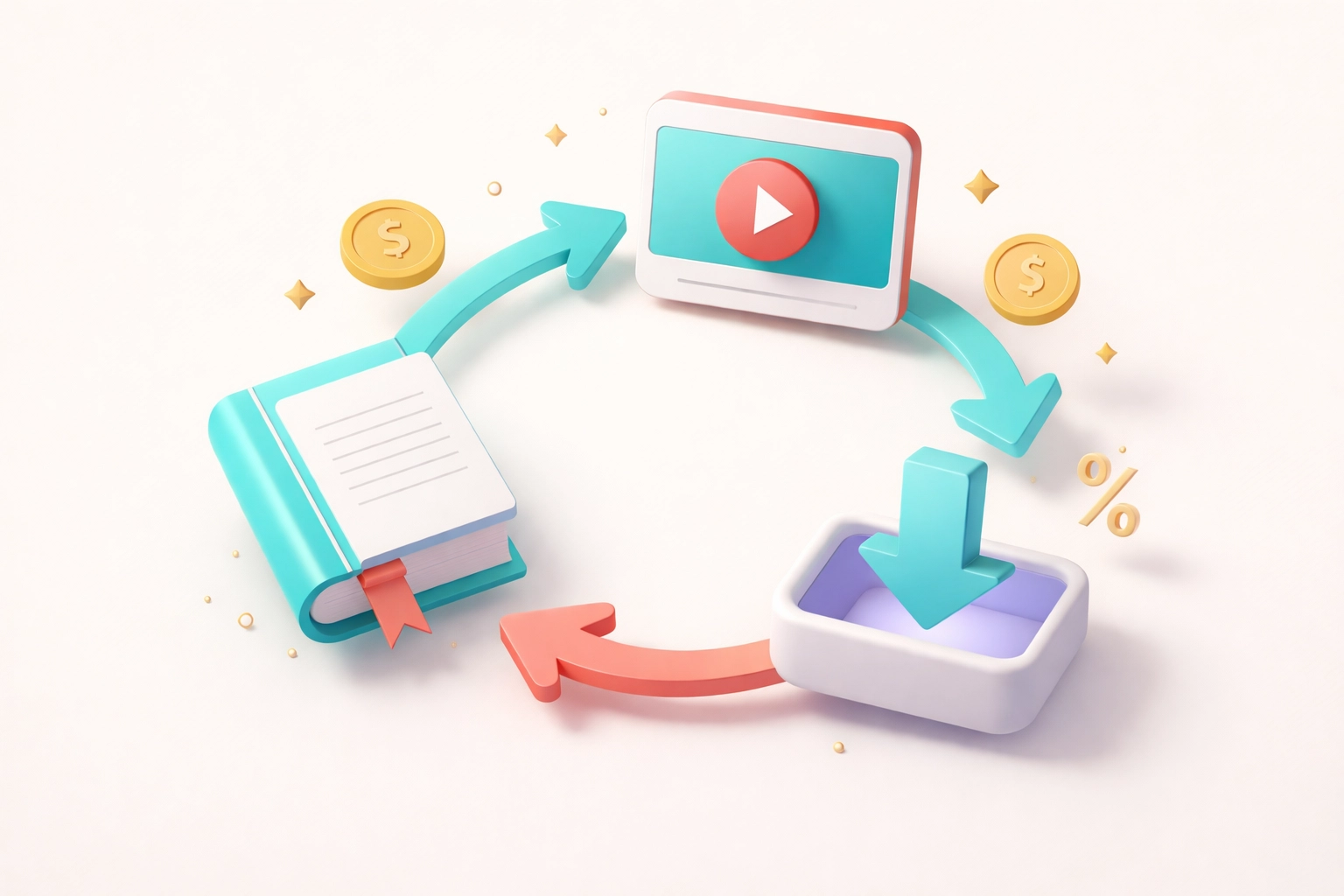
Resell rights exist. Master Resell Rights (MRR) and Private Label Rights (PLR) products let you purchase existing digital products and sell them as your own: sometimes with the ability to modify and rebrand them.
This cuts your production time from weeks to hours.
At Ezy Learning, eBooks with resell rights start at just $6.97. That's your entire product cost handled for less than a coffee and sandwich.
3. eBooks Still Work (Really Well)
Some people claim eBooks are dead. The data says otherwise.
eBooks remain one of the most accessible entry points for selling digital products. They're straightforward to create, easy to deliver, and cover virtually any topic imaginable.
Popular eBook niches in 2026:
- Personal development and productivity
- Health and wellness guides
- Marketing and business strategies
- ChatGPT and AI implementation
- Niche how-to guides
The key is specificity. "How to lose weight" is crowded. "Meal prep guide for busy nurses working night shifts" is not.
Browse eBooks across multiple categories to see what's currently selling.
4. Video Courses Command Premium Prices
Text is good. Video is better: at least when it comes to perceived value.
Online courses consistently rank among the most profitable digital products. People expect to pay more for video content because it feels more comprehensive, more personal, and more engaging.
The barrier to entry is higher than eBooks (you need decent audio, basic editing, and a structured curriculum), but the payoff scales accordingly.

If creating courses from scratch sounds like too much work, consider starting with ready-made video courses. Video courses at Ezy Learning are priced at $7.95: giving you a finished product to learn from, use, or resell.
5. Templates and Planners Have Consistent Demand
Not everyone wants to consume content. Some people just want tools that save time.
Templates sell because they solve immediate problems:
- Social media content calendars
- Budget tracking spreadsheets
- Business plan frameworks
- Email sequence templates
- Goal-setting planners
These products often have repeat buyers, too. Someone who purchases your Instagram template bundle might come back for your Pinterest version next month.
6. Your Platform Choice Matters More Than You Think
Where you sell affects everything: your fees, your branding, your customer ownership, and your growth potential.
Marketplace platforms (Etsy, Gumroad, Amazon KDP):
- Built-in traffic
- Lower control over branding
- Platform takes a cut of each sale
Self-hosted stores (Shopify, WooCommerce):
- Full branding control
- You own the customer relationship
- Requires driving your own traffic
Membership platforms (Patreon, Whop):
- Recurring revenue model
- Community-building features
- Requires consistent content delivery
For most beginners, starting with a marketplace makes sense. Once you understand your audience, migrating to a self-hosted store gives you more flexibility.
7. Bundles Increase Average Order Value
Selling a single eBook for $6.97 is fine. Selling three related eBooks bundled together for $15.97 is better.
Bundling works because it increases perceived value. Customers feel like they're getting a deal, even when you're making more per transaction.
Effective bundle strategies:
- Theme-based bundles (all marketing eBooks together)
- Beginner-to-advanced progressions
- Format combinations (eBook + video course + templates)
- Seasonal or trending topic collections
If you're sourcing products to bundle, check categories like marketing and promotion or productivity for complementary items.

8. Research Trends Before You Commit
Creating (or sourcing) a product nobody wants is the fastest way to waste time in this business.
Before investing effort into any digital product, validate demand:
- Google Trends : Shows whether interest in a topic is rising or declining
- Amazon bestseller lists : Reveals what people are actually buying
- Reddit and Facebook groups : Surfaces specific pain points and questions
- Keyword research tools : Quantifies search volume for related terms
The goal isn't to chase every trend. It's to avoid building products for audiences that don't exist.
9. Marketing Is Half the Battle
A great product with zero visibility makes zero sales. That's just math.
Digital product sellers who succeed typically focus on one or two marketing channels and go deep:
Content marketing: Blog posts, YouTube videos, or podcasts that attract organic traffic over time.
Social media: Platforms like Instagram, TikTok, and Pinterest work well for visual products like templates and planners.
Email lists: Your most valuable asset. Unlike social media followers, you own this audience.
Paid advertising: Faster results, but requires budget and testing to optimize.
For marketing-focused digital products: courses, guides, templates: explore the marketing category or social media resources.
10. Starting Costs Can Be Surprisingly Low
One of the biggest myths about selling digital products: you need significant upfront investment.
You don't.
If you're creating from scratch, your costs are primarily time and basic tools (many of which are free or cheap).
If you're using resell rights products, your startup costs can be as low as a single purchase. An eBook for $6.97. A video course for $7.95. That's your inventory sorted.
Compare that to physical product businesses requiring thousands in initial stock, and the math becomes obvious.

The Bottom Line
Selling digital products online isn't complicated. But it does require understanding how the model works before jumping in.
Quick recap:
- Profit margins beat physical products
- Resell rights eliminate creation time
- eBooks remain viable and accessible
- Video courses command higher prices
- Templates solve immediate problems
- Platform choice affects your entire business
- Bundles increase transaction value
- Trend research prevents wasted effort
- Marketing determines visibility
- Startup costs can be minimal
The barrier to entry has never been lower. eBooks starting at $6.97. Video courses at $7.95. Full resell rights included.
Whether you create from scratch or leverage existing products, the fundamentals stay the same: find an audience, solve their problem, deliver value.
Ready to explore what's available? Browse the full catalog at Ezy Learning.