Digital products are everywhere. And everyone seems to be selling them.
Ebooks. Courses. Templates. Planners. The market is massive: and growing.
But before you dive in headfirst, there are some things you need to understand. Not everything works. Not every product sells. And not every approach makes sense for beginners.
Here are 10 things you should know before selling digital products online in 2026.
1. Profit Margins Are Exceptionally High
This is the main draw.
With physical products, you deal with inventory, shipping, packaging, and storage. Each sale eats into your profit.
Digital products? Create once. Sell infinitely. No warehouse. No postage. No restocking.
Your only real costs are creation time and platform fees. Everything else is profit.
A $6.97 ebook costs you nothing to duplicate. Sell 100 copies and you've made nearly $700 with zero additional effort after the initial creation.
That math changes everything.
2. Multiple Product Categories Actually Work
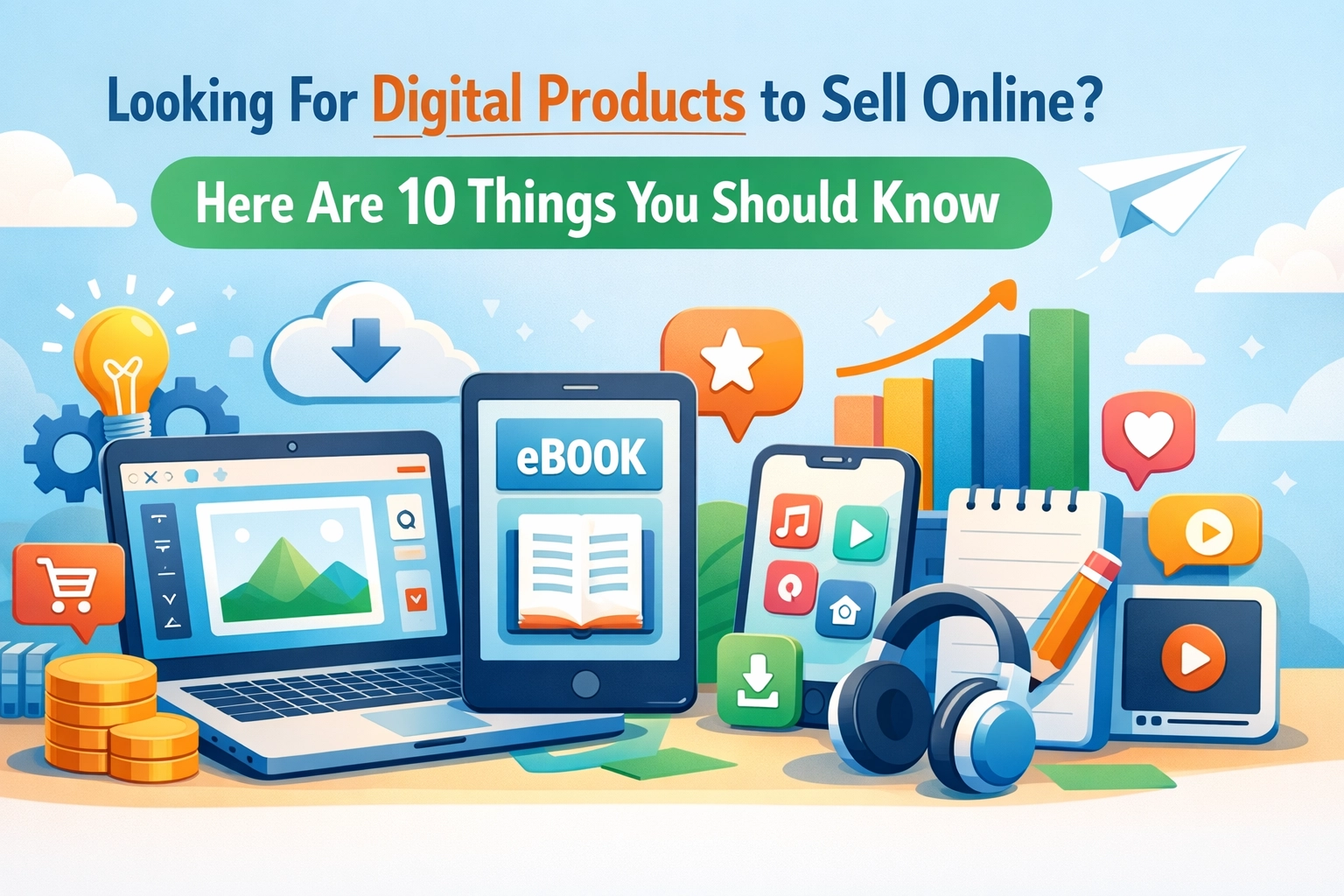
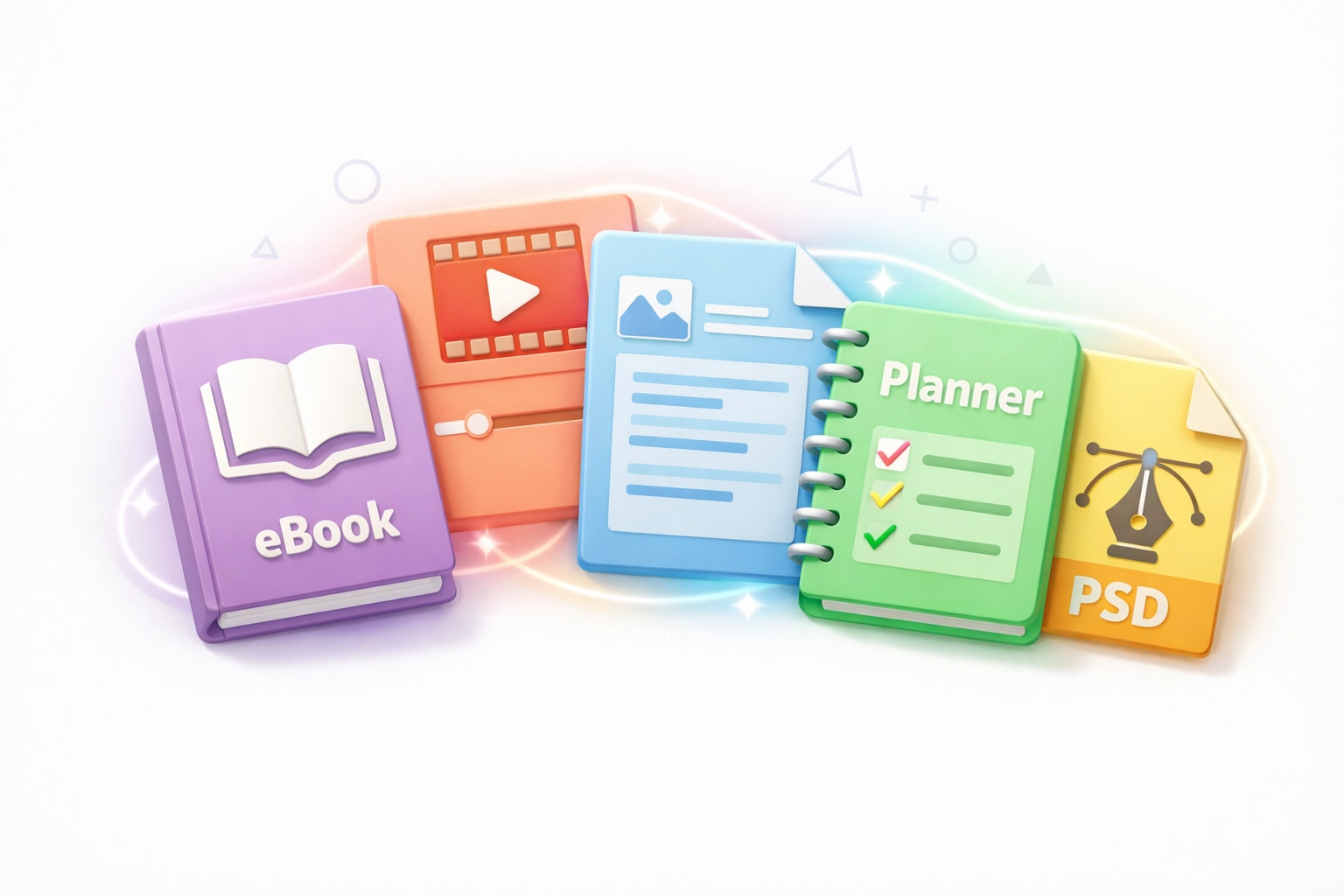
Not all digital products are created equal. But several categories consistently perform well:
- Ebooks – Low barrier to entry, easy to create
- Online courses – Higher perceived value, premium pricing potential
- Templates and planners – High demand, practical applications
- Digital art and graphics – Creative niches with loyal audiences
- AI prompts – Emerging market with growing interest
- Software and apps – Technical but highly scalable
The key is matching your skills to market demand. You don't need expertise in all categories. Pick one. Master it. Scale from there.
3. Ebooks Remain One of the Easiest Entry Points
If you're starting from zero, ebooks make sense.
They require no technical skills. No video equipment. No complex software.
Write. Format. Sell.
The barrier is low, which means competition exists. But that's true for everything. The difference-maker is topic selection and distribution.
At Ezy Learning, ebooks start at $6.97: a price point that removes friction for buyers while still generating meaningful revenue at scale. Many come with resell rights, meaning you can purchase once and sell to your own audience.
That's not just buying a product. That's buying a business asset.
4. Online Courses Command Premium Prices
Courses sit at the higher end of the value spectrum.
People pay more for structured learning. They pay more for video content. They pay more for perceived expertise.
A well-structured course on marketing, productivity, ChatGPT, or personal development can sell for $50, $200, or even $997 depending on depth and positioning.
But here's what most people miss: you don't need to create everything yourself.
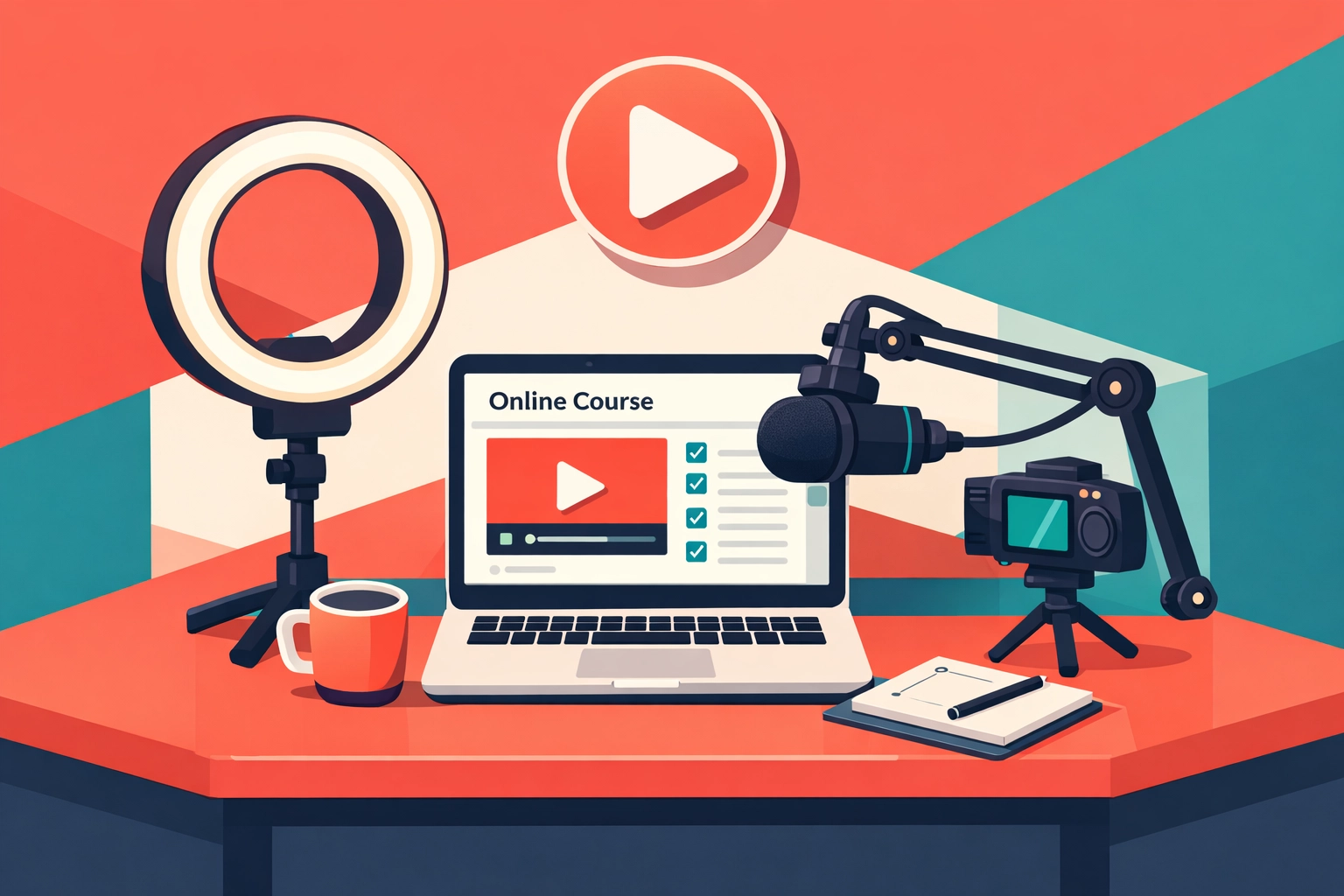
Video courses with resell rights exist. Platforms like Ezy Learning offer complete courses at $7.95 that you can resell. The content is done. The structure is built. You focus on marketing and sales.
5. Resell Rights Change the Game
This is where things get interesting.
Resell rights mean you purchase a product once and gain permission to sell it as your own. You keep 100% of future sales.
No royalties. No licensing fees. No ongoing costs.
For someone starting out without the time or expertise to create original content, this is the shortcut. You skip months of content creation and jump straight to selling.
Not all digital products come with resell rights. But when they do, the economics shift dramatically in your favor.
Browse the full catalog to see what's available with resell rights included.
6. You Don't Need a Massive Audience
This myth stops people before they start.
You don't need 100,000 followers. You don't need a viral TikTok. You don't need an email list of 50,000 subscribers.
You need a targeted audience. Even a small one.
Platforms like Gumroad, Payhip, and Etsy have built-in traffic. Your own Shopify or WooCommerce store gives you control. Social media channels: even with modest followings: can drive consistent sales.
The math works differently with digital products. A 500-person email list buying a $6.97 ebook at a 5% conversion rate equals 25 sales. That's $174 from one email.
Scale that. Repeat that. The numbers compound.
7. Bundling Increases Average Order Value
Selling one ebook for $6.97 is good.
Selling a bundle of five related ebooks for $24.97 is better.
Bundling works because it increases perceived value. Customers feel they're getting a deal. You increase revenue per transaction without increasing customer acquisition costs.
Consider niches:
- Health and wellness bundle
- Marketing and promotion bundle
- Personal development bundle
- ChatGPT and AI tools bundle
Each bundle targets a specific audience with a complete solution rather than a single resource.
8. Platform Choice Matters (But Not as Much as You Think)
Where you sell matters. But it's not the make-or-break decision people obsess over.
Marketplaces (Etsy, Gumroad, Creative Market):
- Built-in traffic
- Lower control over branding
- Platform fees on each sale
Your Own Store (Shopify, WooCommerce):
- Full control over customer experience
- No built-in traffic: you drive it yourself
- Higher upfront setup but lower ongoing fees
Both work. Many sellers use both simultaneously.
Start where you're comfortable. Expand as you grow.
9. Recurring Revenue Models Build Stability
One-time purchases are great. Recurring revenue is better.
Memberships, subscriptions, and communities create predictable monthly income. You're not starting from zero every month.
Options include:
- Monthly template drops
- Exclusive content libraries
- Community access with coaching calls
- Subscription-based course updates
Platforms like Patreon facilitate this. Your own membership site gives you more control.
The effort to acquire a subscriber once: then retain them for months or years: beats constantly hunting for new one-time buyers.
10. Starting Costs Can Be Almost Nothing
This isn't a business that requires $10,000 to launch.
You can start with:
- A $6.97 ebook with resell rights
- A free Canva account for marketing graphics
- A free Gumroad or Payhip store
- Social media accounts you already have
Total startup cost: under $10.
That's not a typo.
The barrier to entry has never been lower. The tools have never been more accessible. The market has never been larger.
What stops most people isn't resources. It's action.
Where to Start
If you're looking for digital products to sell: without spending months creating them: start here:
Each product is ready to sell. Many include resell rights. Your job is distribution and marketing.
The digital product market continues expanding. More people buy online courses and ebooks every year. More creators need templates and tools.
The question isn't whether opportunity exists.
The question is whether you'll take it.
Ready to browse? Visit ezylearning.store to explore the full catalog of ebooks, video courses, and digital products: all priced for accessibility, many with resell rights included.