Thinking about selling digital products online? You're probably seeing advice everywhere telling you to invest in expensive tools, courses, and platforms before you start. Here's the truth: most beginners waste money on things they don't need.
Before you spend $100+ on your digital product business, read these 10 things. They'll save you time, money, and a lot of frustration.
1. You Don't Need Expensive Tools to Start
Most platforms have zero upfront costs. Gumroad, Payhip, and similar marketplaces let you list products without spending a cent. They take a small percentage when you make sales: that's it.
Creating the products themselves? Even cheaper. Canva has a free tier that handles templates and simple designs. Google Docs works fine for writing ebooks. Your smartphone camera can create digital photography products.
The idea that you need hundreds of dollars in software before your first sale is outdated.
2. Profit Margins Are Ridiculously High
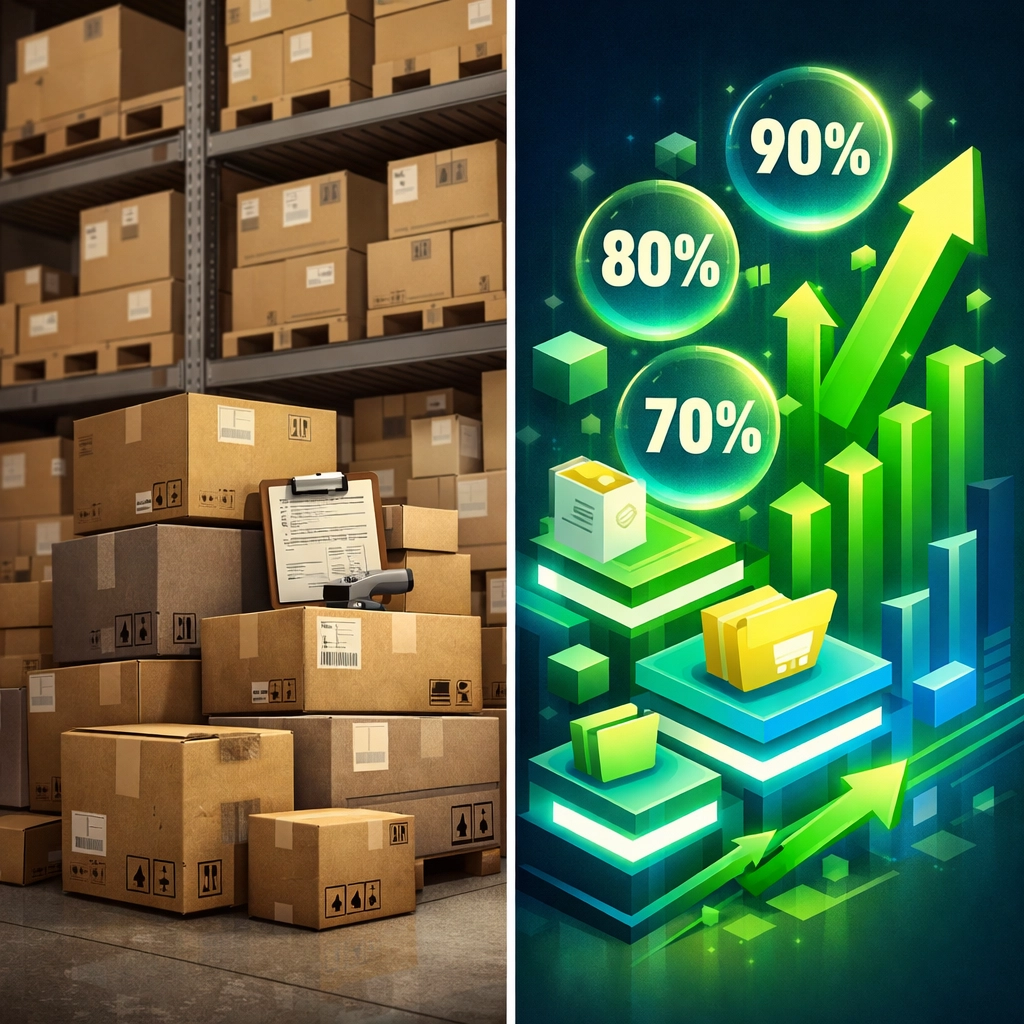
Digital products like printables, templates, and ebooks offer 70-90% profit margins. There's no inventory to manage, no shipping costs, no physical storage. Once you create the product, every sale is almost pure profit.
Compare that to physical products where you're lucky to see 20-30% margins after accounting for materials, storage, and shipping. Digital products win by a landslide.
3. Some Products Reach Profitability Faster Than Others
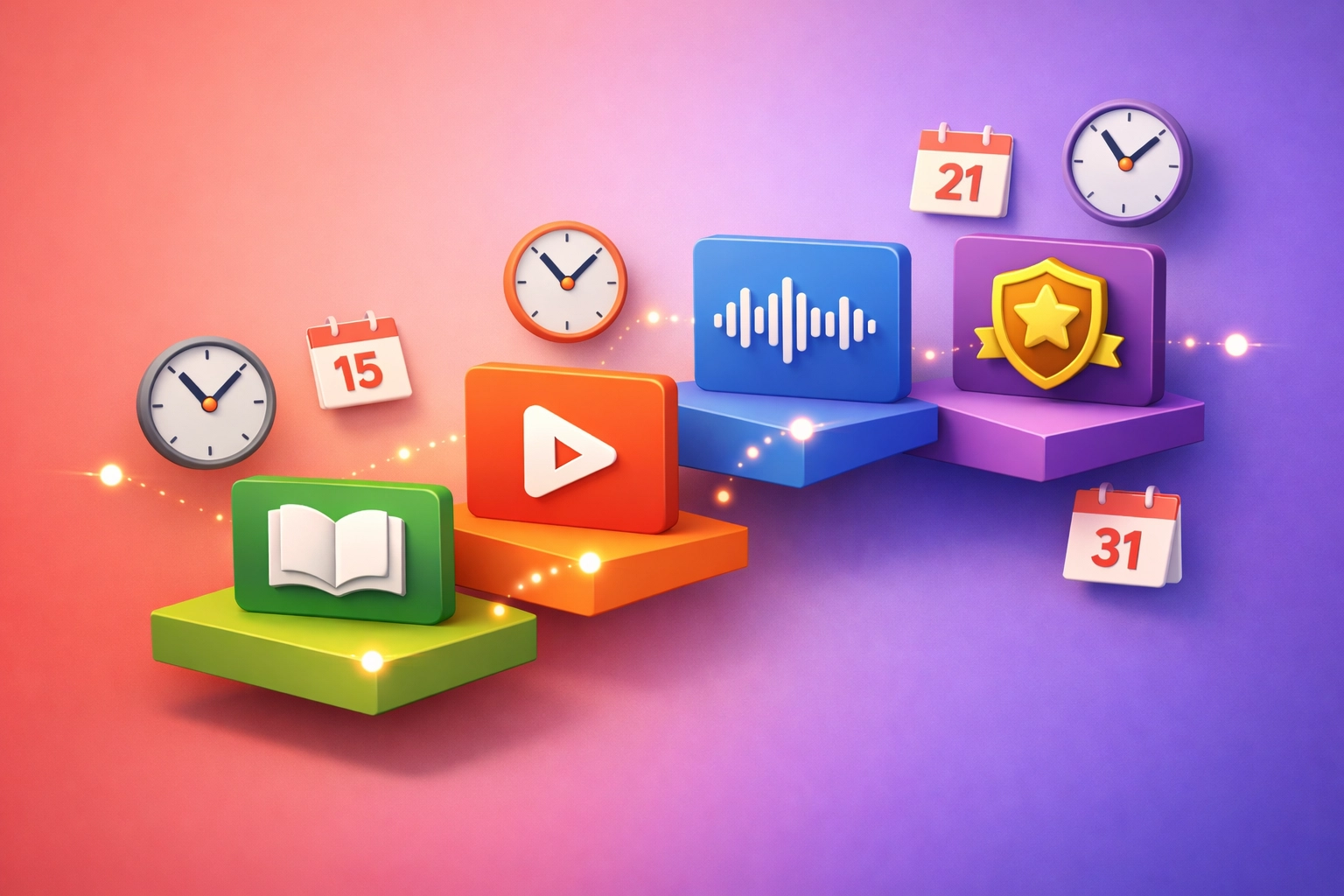
Not all digital products have the same timeline to profit. Ebooks and online courses typically generate income within 1-2 months of launch. Audio products and membership programs can take 3-6 months.
Templates and printables fall somewhere in the middle: usually profitable within 2-3 months if you market them properly.
Choose your product type based on how quickly you need results. If you need cash flow soon, skip the membership program and start with an ebook.
4. Resell Rights Change Everything
Here's something most people overlook: buying products with resell rights eliminates creation time entirely. Instead of spending months creating a course or ebook, you purchase ready-made products and sell them immediately.
At Ezy Learning, ebooks with resell rights cost $6.97 and video courses are $7.95. You buy once, keep 100% of the profits when you resell. No royalties, no ongoing fees.
This approach gets you to market in days instead of months. You're spending under $10 instead of $100+ on course creation tools or hiring designers.
5. Platform Choice Affects Your Control and Costs
You have two main options: sell on marketplaces or build your own store.
Marketplaces like Etsy, Gumroad, and Payhip give you immediate access to existing customers. The tradeoff? They take a cut of each sale and control the customer relationship.
Building your own store using Shopify, WooCommerce, or Wix gives you full control and customer data. The tradeoff? You handle all the marketing yourself.
Most successful sellers use both: marketplaces for quick sales and their own store for building a long-term customer base.
6. Scalability Depends on Product Type
Online courses and membership programs can scale to $50,000-$100,000+ monthly. Ebooks typically reach $500-$10,000 per month. Templates fall in the $500-$15,000 range.
Why the difference? Courses and memberships often have recurring revenue and higher price points. Ebooks are usually one-time purchases at lower prices.
If you're planning to build a six-figure business, choose products that support that scale. If you want supplemental income, ebooks and templates work perfectly.
7. Recurring Revenue Beats One-Time Sales
Products with subscription models or ongoing value generate more stable income. A membership program charging $29/month from 100 members brings in $2,900 monthly: predictably, every month.
Selling a $29 ebook requires new customers constantly. You're always hunting for the next sale instead of building on existing revenue.
The easier path to sustainable income? Start with one-time products to generate cash flow, then add recurring options as you grow.
8. Your Niche Matters More Than the Product
A mediocre product in a profitable niche outperforms an excellent product in a dead niche. Marketing, ChatGPT guides, and personal development products sell consistently because people actively search for solutions in these areas.
The Ezy Learning store focuses on high-demand niches: marketing, personal development, health, and business skills. These categories have proven buyer intent.
Before creating or buying products to resell, research whether people are actively spending money in that space. Google Trends and marketplace best-seller lists tell you what's working.
9. Creation Effort Varies Dramatically
Online courses require the most work: filming, editing, hosting, and updating content. They're rated 5/5 difficulty for creation.
Templates and digital art sit at 1-2/5 difficulty. You create once and sell repeatedly with minimal updates.
Ebooks fall in the middle at 2-3/5 difficulty. Writing takes time, but formatting and publishing are straightforward.
Match your product choice to your available time and skills. Don't commit to a course if you have 5 hours per week. Start with templates or reselling existing products.
10. Knowledge Products Require Zero Equipment
You don't need cameras, microphones, or design software to start. An ebook only requires a computer and basic writing software. PDF guides can be created in Google Docs and exported for free.
Photography products can use existing photos from your phone. Templates start with Canva's free tools.
The barrier to entry is lower than you think. Your existing knowledge or skills might be enough to create a profitable product without spending anything on equipment.

Start Smart, Spend Less
The pattern here? Most people overcomplicate digital product sales and waste money on unnecessary tools and training.
The smarter approach: start with ready-made products that have resell rights. Test the market without creation time or significant investment. Learn what sells, understand your audience, then consider creating original products.
Browse the video courses and ebooks at Ezy Learning. For under $10, you can start selling immediately instead of spending months and hundreds of dollars creating from scratch.
The $100+ investment can come later: after you've made your first sales and know exactly what your audience wants. Start lean, test fast, and scale what works.