
Starting a digital product business requires planning. No fluff: here are 10 essential factors to consider before launching.
1. Identify Your Niche First
Find where your skills intersect with customer needs. Start with basic demographics: age range, education level, job title, income level, location. Narrow down based on data and actual market demand.
Research what your potential customers do for work, what skills they need, and how they define success. This prevents building products nobody wants.
2. Choose Products That Match Your Strengths
Align your digital product with what you already know:
- Writers: E-books and guides
- Educators: Online courses and tutorials
- Designers: Templates and graphics
- Marketers: Strategy guides and frameworks
At Ezy Learning, you'll find ready-made digital products across multiple niches: personal development, health, ChatGPT, marketing. Browse the collection instead of starting from scratch.

3. Understand Resell Rights (This Changes Everything)
Resell rights eliminate product creation entirely. Purchase a digital product with resell rights, rebrand it, and sell it as your own. Keep 100% of the profits.
Two main types exist:
- Private Label Rights (PLR): Modify content, add your name, rebrand completely
- Master Resell Rights (MRR): Sell the product as-is, pass resell rights to customers
Ezy Learning offers both. E-books start at $6.97, video courses at $7.95. Buy once, sell unlimited times. No royalties, no recurring fees.
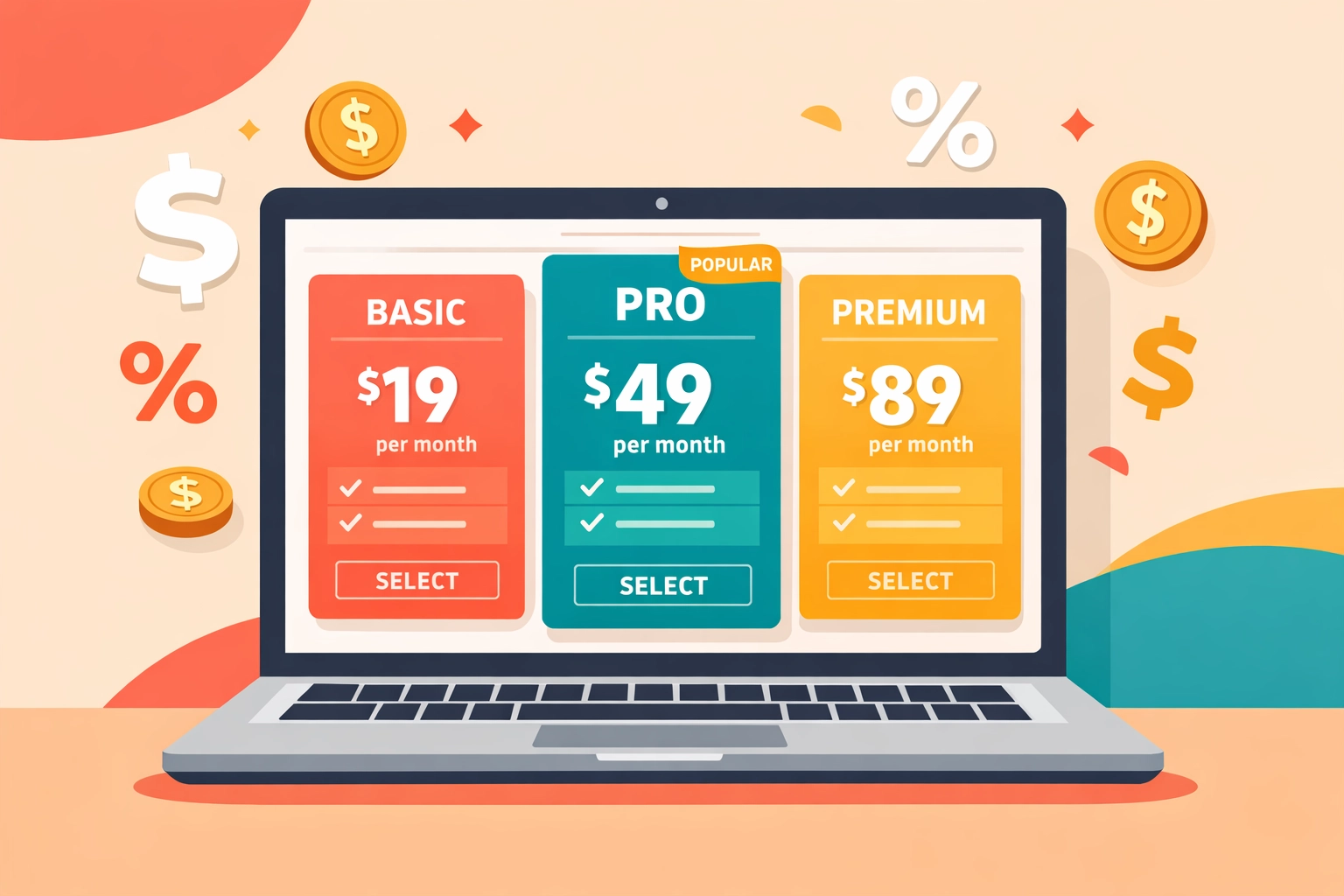
4. Set Your Pricing Strategy
Digital products support multiple monetization models:
- One-time purchases
- Subscriptions
- Tiered pricing
- Bundles
Test different price points. A $6.97 e-book can be bundled with related products and sold for $27-$47. Video courses priced at $7.95 can be repackaged into premium coaching programs at $197+.
Start low to validate demand. Increase prices as you build authority.
5. Select Your Sales Platform
Platform choice depends on product type and technical skill:
Marketplaces: Etsy, Gumroad, CreativeMarket: built-in traffic, but competitive and take commissions.
Website builders: Squarespace, Wix, WordPress: full control, requires marketing effort.
Specialty platforms: Teachable for courses, Podia for memberships.
Many sellers use multiple platforms. Start with one, expand after validating sales.
6. Implement Secure Payment Processing
Payment processors collect payments and gate access to products. Essential features:
- Instant download delivery
- Automated thank-you emails
- Secure file hosting
- Purchase confirmation
Popular options: Stripe, PayPal, WooCommerce. Choose platforms that integrate with your website or marketplace.
Automate everything. Manual delivery wastes time and creates delays that frustrate customers.
7. Prioritize Value Over Perfection
Your first product doesn't need professional design or Hollywood production. It needs to be useful, clear, and solve a specific problem.
Launch quickly. Gather feedback. Improve based on real customer responses: not assumptions.
Waiting for perfection means zero revenue. Launching an imperfect product means learning what actually matters to customers.
Check the video courses section at Ezy Learning for examples of well-structured digital products across various niches.

8. Build a Marketing System
Great products don't sell themselves. Marketing drives revenue.
Essential marketing channels:
- Email marketing (highest ROI)
- Social media content
- SEO-optimized blog posts
- Affiliate partnerships
- Paid advertising
Start with one channel. Master it before adding others. Track where customers come from and where they drop off in the buying process.
Use analytics to identify what works. Double down on successful channels, cut underperforming ones.
9. Protect Your Intellectual Property
Piracy is difficult to prevent completely, but protective measures provide legal recourse:
- Watermark images, e-books, videos
- Use trusted delivery platforms
- Set up licensing agreements
- Include terms of service with every purchase
- Register copyrights for high-value products
For resell rights products, understand what modifications are allowed and what restrictions apply. Read licensing terms before purchasing.
10. Get the Right Tools
Essential tools for digital product businesses:
Market research: Google Forms, Typeform for surveys
Content creation: Canva, Adobe Creative Suite, Camtasia
Hosting and delivery: Gumroad, SendOwl, WooCommerce
Email marketing: ConvertKit, Mailchimp, ActiveCampaign
CRM: HubSpot, Zoho, Salesforce
Analytics: Google Analytics, Hotjar
Start minimal. Add tools as revenue grows. Free versions often provide enough functionality for beginners.

Start With Ready-Made Products
Building digital products from scratch takes time. Resell rights products let you start immediately.
Browse Ezy Learning's complete catalog for e-books at $6.97 and video courses at $7.95. Purchase, customize, and start selling today.
No product creation. No technical skills required. Just marketing and customer service.
The digital product business model works because of low overhead, high margins, and unlimited scalability. Most failures come from overcomplicating the process; not from lack of resources.
Choose a niche. Pick a product. Set up payment processing. Start marketing. Adjust based on results.
Everything else is optional.