
Starting a digital product business sounds simple. Create once, sell forever. No inventory, no shipping, no storage costs. But before you jump in, there are realities you need to understand. Here are 10 things that separate successful digital product sellers from those who waste time and money.
1. Your Platform Choice Determines Your Success
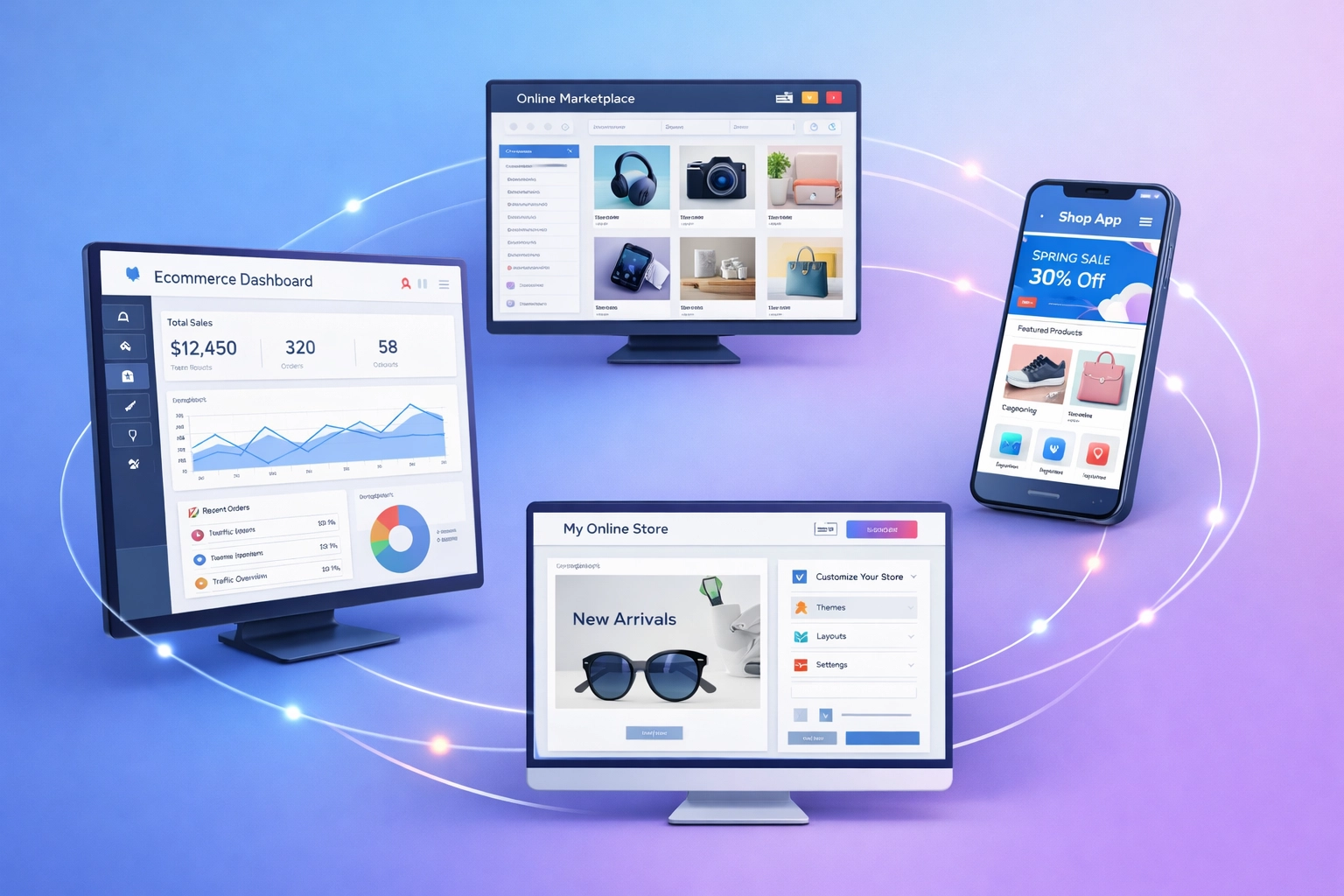
You can sell digital products through your own website, marketplaces like Etsy, or both. Each option has trade-offs.
Your own website gives you control and keeps all profits. Marketplaces bring built-in traffic but take commission fees. Most successful sellers use multiple channels.
The key is choosing platforms that handle payment processing, file delivery, and customer access automatically. Manual delivery is not scalable.
2. Target Market Research Comes First, Product Creation Comes Second
Most people do this backwards. They create what they want to create, then wonder why nobody buys it.
Start with market research. Identify age range, education level, job titles, income brackets, and locations of your ideal customers. Survey them. Read forums where they discuss problems. Understand what success means to them.
Create customer personas before writing a single word of your ebook or recording your first course lesson. Product design without market research is guessing.
3. Marketing Is Half Your Job, Maybe More
Creating the product is the easy part. Getting people to buy it is where most sellers fail.
You need content marketing, email campaigns, social media presence, and search engine optimization. Track analytics to see where visitors come from, what pages they view, and where they drop off before purchasing.
Marketing is not a one-time launch effort. It requires ongoing work to generate consistent sales.
4. You Need Specific Tools, Not Just Good Intentions
You cannot run a digital product business with a PayPal button and Dropbox links. You need proper infrastructure.
Essential tools include analytics platforms, content creation software, secure hosting with shopping functionality, CRM systems, and email automation. These handle payment collection, access controls, customer tracking, and automated follow-ups.
Budget for these tools before you launch. Free solutions work for testing. They do not work for serious business operations.

5. Different Product Types Require Different Strategies
Ebooks, online courses, templates, design assets, and memberships all sell differently. Each requires specific marketing approaches.
Ebooks at accessible price points like $6.97 attract impulse buyers who want quick solutions. Video courses priced at $7.95 appeal to visual learners who prefer step-by-step instruction. Templates and design assets need strong visual previews.
Products with resell rights allow buyers to rebrand and resell them, creating an additional value proposition that justifies premium positioning.
Choose your product type based on your skills and your market's preferences, not trends.
6. Passive Income Requires Active Upfront Work
Digital products can generate sales while you sleep. But first, you need comprehensive product development, professional presentation, quality control, and effective marketing systems.
The passive income model works. You create once and sell repeatedly while maintaining ownership and control. However, the initial investment of time and effort is substantial.
Budget 2-3 months for proper product creation and launch preparation. Rushed products look rushed. Customers can tell.
7. Test Before You Build Everything
Create a minimum viable product first. A simplified version that delivers core value without all features.
Test it with your target audience. Gather feedback through surveys, interviews, or focus groups. Use platforms like UserTesting or Respondent to find qualified testers.
Adjust based on actual customer responses, not your assumptions. Testing reduces failure risk significantly.

8. Payment Processing and Security Are Non-Negotiable
Customers need confidence that their payment information is secure and they will receive what they purchased.
Choose payment processors and platforms that handle transactions professionally, generate license keys automatically, and protect customer data.
Platform choice depends on product type. Different solutions work better for courses versus ebooks versus templates. Research options before committing.
9. Trends Change, Your Product Needs to Evolve
Monitor social media discussions and industry conversations. Understand what your target market talks about and cares about currently.
This informs new product development and marketing updates. Selling the same product with the same marketing for years produces declining results.
Stay current without chasing every trend. Update offerings based on sustained shifts in customer interests, not temporary fads.
10. Content Repurposing Multiplies Marketing Efficiency
Creating fresh marketing content constantly is exhausting and unsustainable. Smart sellers repurpose existing material.
Transform blog posts into social media updates, short videos, email sequences, and infographics. One piece of core content becomes 10+ marketing assets across different platforms.
This maximizes reach without constant content creation from scratch. It frees time for product development and sales activities that directly generate revenue.

Start With What You Can Control
These 10 factors separate successful digital product businesses from failed attempts. You cannot control market conditions or competition. You can control your preparation.
Research your market before creating products. Choose appropriate platforms and tools. Build marketing systems alongside product development. Test before full launch.
Digital products offer genuine business opportunities at accessible price points. Ebooks at $6.97 and video courses at $7.95 make quality education available while maintaining profitable margins. Products with resell rights create additional value for buyers building their own businesses.
Explore options at Ezy Learning to see how digital products are structured, priced, and positioned effectively. Study successful products in your niche before creating your own.
The digital product business model works. But success requires understanding these fundamentals before you start, not after you have invested months creating something nobody wants.